Website Design for Small Business: 9 Expert Tips for 2026 Costs
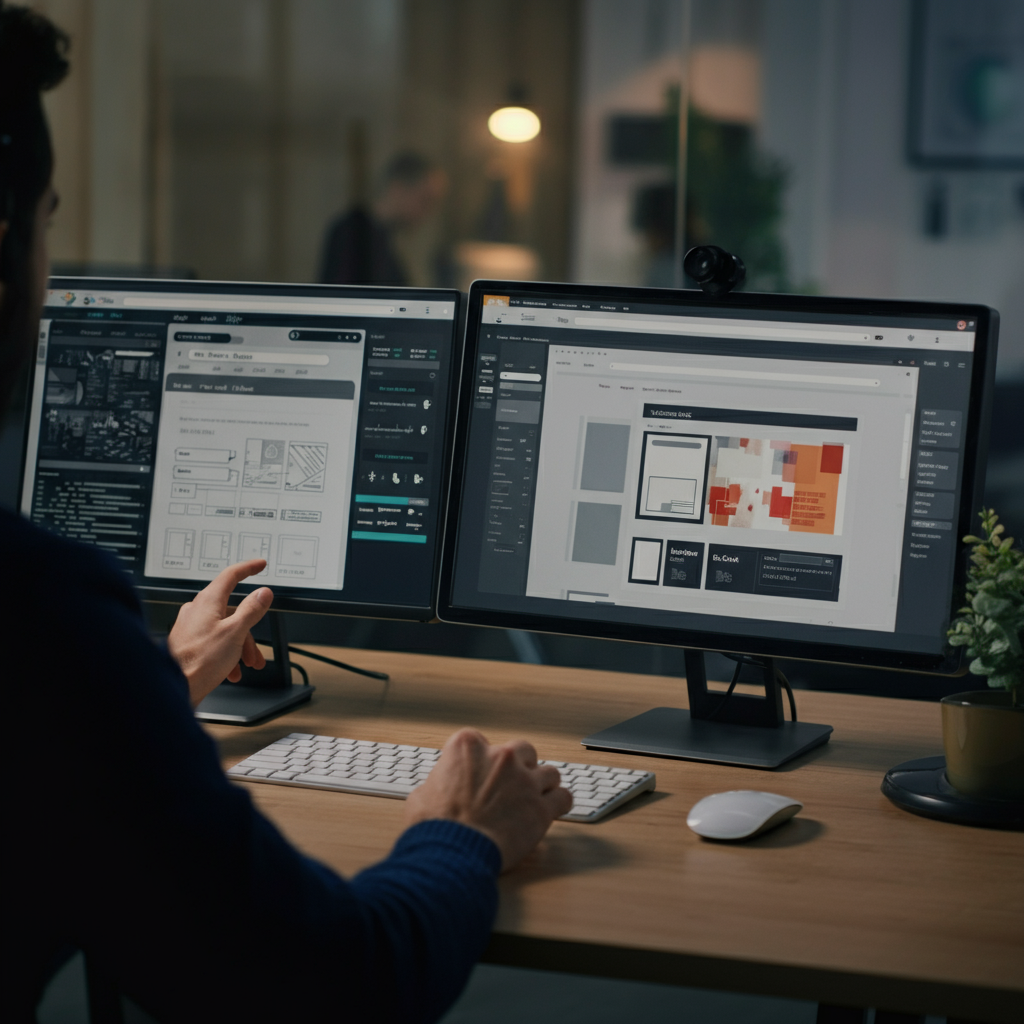
Website Design For Small Business: Get expert tips for 2026 costs, avoid hidden charges, and plan your budget. Start building your business website today!
1. Website Design For Small Business: Understanding 2026 Costs
What Influences Website Costs in 2026?
Website design for small business primarily depends on the scale, complexity, and strategic objectives driving your project. In 2026, entry-level sites (think brochure-style, up to five pages) may start as low as £800-£1,200 with reputable freelancers. However, adding e-commerce functionality, advanced integrations, or custom branding can easily see fees surpass £3,500-£5,000 at a minimum. Several factors influence costs: the experience of your designer, whether you use an agency or DIY builder, and your desired site features. Hosting, domain registration, SSL certificates, and ongoing technical support are normally billed separately. It is wise to request detailed itemised quotes and ensure all project deliverables are clearly outlined before committing.
How much will website design cost for my small business?
Website design for small business usually costs between £500 and £5,000 for a simple site. This cost varies based on factors such as complexity and desired features. Understanding these costs helps you budget effectively and minimise surprises during the design process.
What should I look for in a small business website designer?
When selecting a small business website designer, consider their portfolio, client testimonials, and expertise in your industry. It's essential to choose someone who understands your vision and can effectively communicate your brand. Ultimately, this ensures your website meets your specific needs and goals.
2. Website Design For Small Business: Setting Your Budget
How to Plan for Upfront and Ongoing Expenses
Many business owners underestimate the true costs of launching and maintaining their website. Carefully setting your budget helps avoid nasty surprises later. For smaller businesses, initial expenses typically include design, development, and basic SEO. However, ongoing costs such as hosting (from £10-£40 per month), content updates, plugin renewals, and security monitoring should be accounted for from day one.
Begin your planning by listing all expected features—such as contact forms, online booking, or e-commerce. Discuss with your designer what can be completed within your target spend, and highlight priority items. Some businesses also allocate resources for future expansions, like multilingual capabilities or advanced analytics tools. For guidance on balancing costs and scale, consult resources like comparing DIY vs. professional web design. Finally, always request clarity on one-off versus recurring payments and read all contracts carefully.
Are there hidden fees for small business web design?
Yes, there can be hidden fees in small business web design such as extra charges for revisions or ongoing maintenance. It's crucial to request a detailed breakdown of costs before starting the project. This approach protects your budget and helps avoid unexpected expenses later on.
Which website design tips save money for small businesses?
To save money on website design for small business, consider using templates and selecting essential features only. Additionally, prioritising mobile responsiveness can reduce long-term costs associated with updates. Implementing these tips can create a cost-effective and user-friendly web presence.
3. Website Design For Small Business: Choosing the Right Designer
DIY Builders vs. Agencies in the UK
Selecting the right professional is a pivotal decision that affects both cost and quality. DIY website builders like Wix, Squarespace, and Shopify continue to gain popularity among small UK businesses due to low upfront costs and rapid deployment. Yet, they often come with design, branding, or SEO limitations. Conversely, UK agencies and independent web designers offer far more bespoke solutions, deeper digital strategy, and ongoing support.
When comparing options, consider your in-house time and skillset. Agencies often handle complex integrations and compliance obligations better, while DIY builders are more suitable for very tight budgets or basic projects. Ask candidates for portfolios, case studies, and references. Use sources such as The Drum’s UK Agency Directory to shortlist reputable web design partners. Remember, the cheapest solution may cost more in lost conversions and future redevelopment.
When is the best time to redesign my small business website?
The best time to redesign your small business website is when it no longer meets your needs or style. Signs may include decreased traffic or outdated design elements. Redesigning at strategic moments can revitalise your online presence and enhance user engagement.
How can I ensure my small business website is user-friendly?
To ensure a user-friendly small business website, focus on intuitive navigation, clear calls to action, and fast loading times. Testing the site with real users can provide valuable insights into user experience. Prioritising this aspect not only improves satisfaction but also boosts conversion rates.
4. Website Design For Small Business: Essential Features
Must-Have Elements for Small Business Websites
A successful small business website in 2026 must balance aesthetics, functionality, and conversion optimisation. Essential features include mobile-responsive layouts, contact and enquiry forms, visible calls to action, and fast-loading pages. Add professionally written service pages, integrated Google Maps, and clear navigation to maximise user experience and search performance. Importantly, ensure GDPR compliance and accessible design to avoid legal pitfalls.
E-commerce requirements, online payment systems, and booking platforms — if needed — should integrate seamlessly with existing business workflows. Consult checklists on small business website essentials to benchmark your planned build. Utilising branded imagery, testimonials, and case studies cements your credibility and nurtures trust with potential clients. Regularly updating blog or news sections further boosts your SEO profile.
5. Website Design For Small Business: Avoiding Hidden Charges
Understanding Contracts and Extra Fees
Transparency is critical when negotiating any website design contract. Unexpected fees—such as charges for extra pages, logo design, rushed timelines, or third-party plugins—can rapidly inflate your budget. Always demand a comprehensive breakdown of all costs. Clarify items like content population, stock image licensing, and post-launch support; what’s included, what’s billed hourly, and what might incur additional surcharges?
Many agencies and freelancers now provide fixed-fee packages, which can simplify costs, but ensure they outline revision policies and support periods. Examine provider reviews, and search terms like “hidden fees in web design” for industry warning signs. For third-party integrations, check if these require ongoing licences or subscriptions (e.g., for specialist booking or payment processors).
6. Website Design For Small Business: Mobile and SEO Readiness
Optimising for Search and Devices in 2026
With over 70% of UK traffic now mobile, responsive design is absolutely non-negotiable. In 2026, Google’s algorithms continue to prioritise mobile usability and Core Web Vitals performance, so your designer must thoroughly test across devices and browsers. SEO should never be considered an afterthought—proper site structure, keyword targeting, schema markup, and fast-loading code underpin high rankings.
Discuss with your provider whether their fee covers on-page optimisation or if this is scoped as a separate phase. Use reputable analytics tools post-launch to continuously track organic search results and user engagement. For further reading, explore resources such as Search Engine Journal’s 2026 small business SEO trends.
7. Website Design For Small Business: Managing Ongoing Costs
Hosting, Maintenance, and SSL in 2026
Ongoing costs don’t end at launch, so plan accordingly. Website hosting quality varies—cheaper shared servers may negatively impact speed and uptime. Secure Socket Layer (SSL) certificates are essential for visitor security and search trust, costing between £30-£120 annually. Maintenance, technical updates, and regular backups are typically billed monthly or quarterly. Consider service contracts covering plugin updates, bug fixes, and uptime monitoring.
Choose providers offering proactive, transparent support with fixed response times. Factor in costs for content refreshes, digital marketing, and software renewals when finalising your annual spend. The right support mitigates downtime risk and prolongs your site’s competitive edge.
8. Website Design For Small Business: Leveraging Professional Tips
Expert Insights for Growth and Savings
Leverage industry insights to maximise your website ROI. Prioritise user engagement features such as live chat, video introductions, and actionable blog content. Incorporate conversion tracking tools to measure campaign success and ROI. Ask designers about rapid prototyping or MVP launches, enabling feedback before committing to costly expansions.
Furthermore, always request training for site management—empowering your team to update basic content in-house. Use cloud-based project management to ensure transparent delivery timelines and shared progress tracking. Peer networks and trade associations often share valuable “mistake-avoidance” guides—tap into these for added wisdom.
9. Website Design For Small Business: Case Studies & Examples
Success Stories from UK Small Businesses
Dozens of UK small businesses have elevated their online presence with smart design choices. For example, a London florist increased online orders by 60% in the first quarter after launching a refreshed, mobile-first website with integrated e-commerce. An Edinburgh-based consultant used storytelling-led design and case studies to triple inbound leads over 12 months.
Review case studies on website design for small business owners for proven UK small business website tactics. Each example underlines the same truth: modern, considered design tailored to specific goals outperforms generic templates every time.
"Investing in expert website design for small business is no longer a luxury—it's a strategic necessity for driving growth, earning trust, and standing out in a competitive UK market." — UK Digital Marketing Consortium
Conclusion: Website Design For Small Business in 2026
In 2026, website design for small business is not a one-size-fits-all expense, but a tailored investment that can unlock transformative growth if approached strategically. By setting clear budgets, selecting the right provider, and focusing on both aesthetic and technical essentials, you secure not only online visibility but also long-term business resilience. Regularly review your site’s performance, update content, and remain agile to shifts in consumer behaviour and technology. For further advice, or to connect with vetted specialists, browse affordable website designers in the UK and stay ahead in the ever-evolving UK digital landscape.
Great guide on Website design for small business: 9 expert tips for 2026 costs — Community Feedback
How much does website design actually cost?
Website design for small business typically ranges from £500 to £5,000 in the UK, depending on complexity, features, and the agency or platform chosen. Ongoing costs such as hosting, maintenance, and SSL can add £50 to £200 per month. Always request a full breakdown when budgeting.
What is the process for a bespoke website build?
The bespoke website design process for small business involves discovery, planning, wireframing, design, revision rounds, development, quality assurance, and launch. Each stage is essential to tailor the website to your business needs and to manage costs effectively in 2026.
In This Article
- Website design for small business costs are rising in 2026—budget for both upfront and ongoing expenses.
- Prioritise mobile-friendly, fast-loading, and SEO-optimised designs to ensure digital competitiveness.
- Request transparent quotes and understand the details of all project contracts to avoid hidden fees.
- Ongoing support, regular maintenance, and SSL security underpin long-term site success.
- Draw inspiration from successful UK case studies and request professional advice as needed.