Mobile-First Website Design: Why UK Businesses Must Prioritise Mobile in 2025
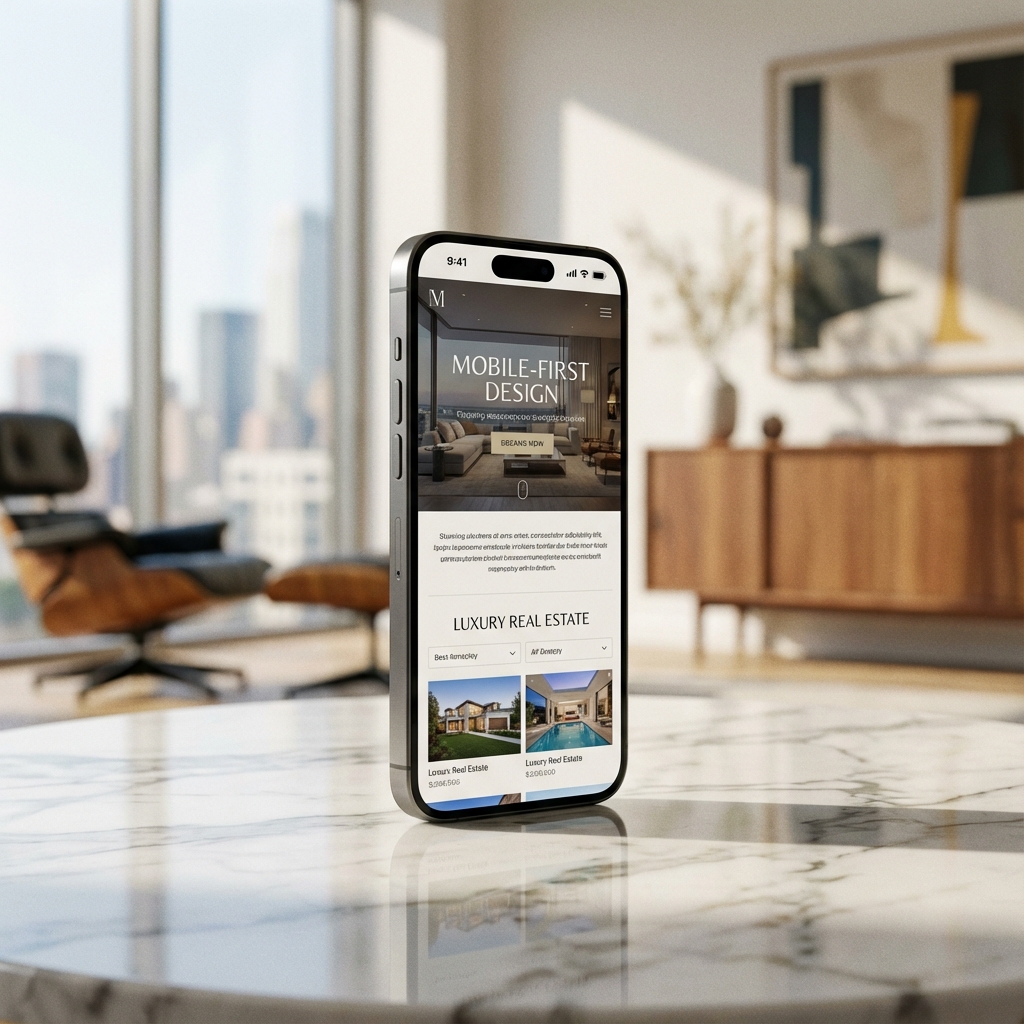
With over 60% of UK web traffic coming from mobile devices, mobile-first design is no longer optional. Learn how LaunchedIn10 builds every website for mobile users first.
Why Mobile-First Design Matters for UK Businesses
The shift happened years ago, but many UK businesses still operate websites built for desktop computers first. The reality is stark: over 60 percent of UK web traffic now comes from mobile devices. When someone searches for your services on their phone and lands on a site that requires pinching, zooming, and horizontal scrolling, they leave. Your competitors with mobile-optimised sites capture that customer instead.
Mobile-first design flips the traditional approach entirely. Rather than building for desktop screens and then adapting for mobile, we start with the smallest screen and scale upward. This fundamental shift in methodology produces websites that work flawlessly where most visitors actually experience them.
Google recognised this shift years ago. Their mobile-first indexing means Google primarily uses the mobile version of your content for indexing and ranking. A website that performs poorly on mobile suffers in search rankings regardless of how impressive its desktop version appears. According to Google's official documentation on mobile-first indexing, websites must prioritise mobile experience to maintain search visibility.
The Real Cost of Poor Mobile Experience
When mobile users encounter friction, they bounce. Research consistently shows that 53 percent of mobile visitors abandon sites that take longer than three seconds to load. Beyond speed, usability issues compound the problem. Buttons too small to tap accurately, text requiring zoom to read, and navigation designed for mouse cursors rather than fingertips all drive potential customers away.
For local businesses especially, mobile performance directly impacts revenue. Someone searching for an emergency plumber or nearby restaurant does so on their phone. They need contact information immediately accessible, click-to-call functionality that works instantly, and forms they can complete with thumbs rather than keyboards.
The bounce rate difference between mobile-optimised and non-optimised sites often exceeds 30 percentage points. That represents real customers choosing competitors simply because their website provided a better mobile experience.
What Mobile-First Design Actually Means
Mobile-first design is not merely responsive design. Responsive design adapts desktop layouts to fit smaller screens. Mobile-first design begins with mobile constraints and opportunities, then enhances for larger screens.
This approach forces prioritisation. Mobile screens accommodate limited content, requiring decisions about what matters most. Headlines must be concise. Navigation must be intuitive with touch targets appropriately sized. Content hierarchy must guide users efficiently toward their goals.
Touch-friendly interfaces replace hover states. Tap targets meet minimum size requirements. Forms use appropriate input types, triggering the correct keyboard for email addresses, phone numbers, and other specific data. Images optimise for mobile bandwidth whilst maintaining visual quality.
Speed Optimisation for Mobile Users
Mobile users often connect via cellular networks with variable speeds. A website loading quickly on office broadband may crawl on 4G during a commute. Mobile-first development prioritises performance from the foundation.
Image optimisation represents one significant opportunity. Modern formats like WebP reduce file sizes substantially whilst maintaining quality. Lazy loading delays off-screen image loading until users scroll toward them, improving initial page load times.
Code efficiency matters equally. Bloated JavaScript libraries and unnecessary CSS slow mobile rendering. Clean, purposeful code loads faster and renders sooner, getting content in front of users before their patience expires.
According to Google's web.dev performance guidance, Core Web Vitals directly influence both user experience and search rankings. Meeting these performance thresholds requires mobile-first thinking from project inception.
Navigation That Works on Touch Screens
Desktop navigation relies on hover states and precise cursor positioning. Neither translates to touch screens. Mobile navigation must be immediately intuitive without visual cues that only appear on interaction.
Hamburger menus have become standard for good reason. They conserve precious screen space whilst providing access to complete navigation when needed. However, implementation quality varies dramatically. Properly executed mobile navigation responds instantly to touch, provides clear visual feedback, and remains accessible throughout the site.
Sticky headers keep key navigation elements available as users scroll. Click-to-call buttons remain prominent for service businesses. Contact information appears without requiring navigation through multiple pages.
Forms Designed for Thumbs
Form completion on mobile devices presents unique challenges. Small input fields frustrate users. Inappropriate keyboard types slow data entry. Forms designed for desktop completion often prove impractical on phones.
Mobile-first forms minimise required fields, recognising that each additional field increases abandonment probability. Input fields size appropriately for touch interaction. Email fields trigger email keyboards. Phone fields trigger numeric keypads. Autocomplete assistance speeds completion where appropriate.
Error handling provides immediate, clear feedback without requiring users to hunt for what went wrong. Successful submission confirmation appears prominently, eliminating uncertainty about whether the form actually submitted.
How LaunchedIn10 Builds Mobile-First
Every website we build begins with mobile design. Before considering desktop layouts, we establish the mobile experience that the majority of visitors will encounter. Content hierarchy, navigation structure, and interaction patterns all optimise for mobile users first.
Our development process tests across actual mobile devices throughout the build. Simulators help, but real device testing catches issues that emulation misses. We verify performance on representative connection speeds, ensuring sites load acceptably even on slower mobile networks.
The result is websites that work beautifully on phones without compromising desktop experience. Desktop users receive enhanced layouts taking advantage of additional screen space. But the core experience that mobile users receive remains the priority throughout.
Beyond Launch: Ongoing Mobile Performance
Mobile optimisation is not a one-time achievement. Devices evolve. Operating systems update. User expectations increase. Websites require ongoing attention to maintain mobile performance.
Our monthly care plans include continuous performance monitoring. We track Core Web Vitals, identify degradation before it impacts users, and implement optimisations as technology evolves. When Google updates mobile requirements, we update your site accordingly.
This ongoing partnership ensures your website remains competitive in mobile search results and continues converting mobile visitors into customers long after launch.
Get a Mobile-First Website
Your customers browse on mobile devices. Your website should meet them there with an experience designed specifically for how they actually use the web. LaunchedIn10 builds every website mobile-first, ensuring your business captures mobile visitors rather than losing them to competitors.
Ten days from providing your content, your mobile-first website goes live. From that point forward, ongoing management keeps it performing optimally as mobile technology continues evolving.
View our packages and see how professional mobile-first web design becomes accessible for UK businesses of every size.