UK Tradespeople: Your SEO Suffers Without Proper Website Accessibility
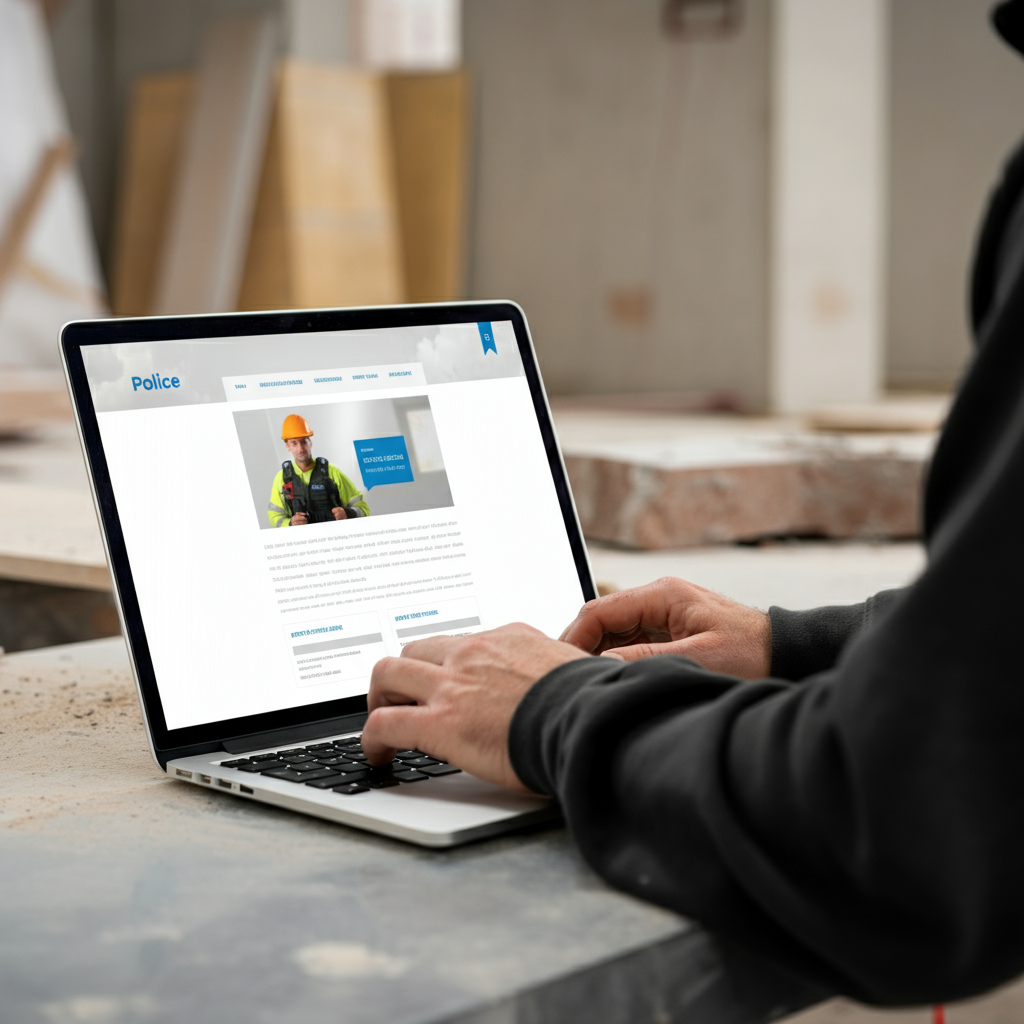
Internet accessibility is vital for UK tradespeople's SEO. Improve your website's accessibility to boost rankings and attract more customers today.
- Use accessible website templates or builders.
- Add alt text to all images and media files.
- Ensure high contrast and readable fonts.
- Make navigation keyboard-friendly.
- Provide clear forms and labels.
- Test accessibility with auditing tools.
- Regularly update for new guidelines.
What Is Internet Accessibility for UK Tradespeople?
Understanding the Basics of Inclusive Web Design
Internet Accessibility means creating digital spaces that everyone can use, regardless of physical or cognitive limitations. In practical terms for UK tradespeople, it involves designing your website so people with disabilities—such as visual impairments, hearing loss, or dexterity challenges—can easily find, understand, and interact with your content. Simple features like descriptive image text, screen reader compatibility, keyboard navigation, and sufficient colour contrast all contribute to a more inclusive web experience. UK regulations and best practices make these adaptations an essential business standard, not an afterthought. By prioritising accessibility, you demonstrate social responsibility, meet legal requirements, and tap into a broader client base that many competitors overlook. Implementing these standards also aligns your site with core search engine ranking factors, giving you an advantage over non-compliant rivals. Boost your trades website today
How do UK tradespeople improve website accessibility?
UK tradespeople improve website accessibility by using accessible website templates and builders. These tools come equipped with features that ensure compliance with accessibility standards. Consequently, making a website more accessible attracts a wider audience and enhances customer satisfaction.
Why does website accessibility matter for my plumbing business?
Website accessibility is crucial for plumbing businesses as it ensures that all potential customers, including those with disabilities, can access information easily. Improved internet accessibility can lead to increased customer engagement and loyalty. Therefore, an accessible website promotes inclusivity and expands your client base.
Why Internet Accessibility Matters for SEO
The Link Between Accessibility and Search Ranking
Search engines such as Google are increasingly measuring user experience signals as part of their core ranking algorithms. Accessible websites are naturally more search engine friendly because their structure, content, and navigation are clearer and more usable. For example, properly labelled headings, alternative image text, logical reading order, and descriptive links help both users and search bots navigate your site efficiently. In the UK, major SEO agencies now refuse to work with clients who have inaccessible websites. When you fail on accessibility, bounce rates rise, time-on-page drops, and reach narrows—all signals that undermine your site’s credibility in Google’s eyes. Therefore, achieving strong rankings now depends on embracing inclusive design from the outset. Furthermore, as more consumers grow aware of these issues, web accessibility also becomes an important part of your brand reputation. Professional website design for trades Official introduction to web accessibility
Does poor accessibility hurt my SEO in the UK?
Yes, poor accessibility can negatively impact your SEO in the UK. Search engines prioritise websites that are accessible to all users, and inaccessible sites may suffer in rankings. Additionally, enhancing internet accessibility not only boosts SEO performance but also improves user experience.
What steps make a trades website fully accessible?
To make a trades website fully accessible, use accessible templates, add alt text to images, and ensure high contrast in text. Furthermore, creating keyboard-friendly navigation and clear forms enhances user experience. This leads to higher engagement and satisfaction for all website visitors.
Common Accessibility Issues on Trades Websites
Typical Mistakes That Hurt Your SEO
Despite good intentions, many UK trades sites fall short on essential accessibility best practices. Typical errors include missing alt text on images, poor colour contrast, lack of keyboard support, and non-descriptive page titles. Some builders use PDF documents without HTML alternatives, block site zoom, or use inaccessible forms—making it impossible for people with disabilities to request quotes. Broken navigation, confusing layouts, and the absence of audio transcripts further exclude large customer segments. Site templates marketed as “modern” sometimes prioritise flashy graphics over inclusive features, to the detriment of your search visibility. Resolving these issues is straightforward with the right guidance and ongoing testing. Regularly reviewing your content using automated tools and manual checks identifies barriers that need fixing—and ensures your site remains competitive. Improving website accessibility for trade businesses
Which tools can check my website's accessibility?
Several tools can check your website's accessibility, such as WAVE, AXE, and Lighthouse. These tools help identify accessibility issues and suggest improvements to meet compliance standards. By leveraging these resources, you can enhance internet accessibility and reach a broader audience.
When should I update my website for accessibility compliance?
You should update your website for accessibility compliance whenever there are changes to content or regulations. Regular updates ensure your site meets the latest guidelines and standards. Therefore, keeping your website optimised promotes inclusivity and positive user experiences.
How Poor Accessibility Loses Customers Online
Real-World Impact on UK Trades Businesses
Poor accessibility not only harms your SEO but significantly diminishes your reach within local communities. Disabled users represent a substantial share of the UK population—over 14 million people—and excluding them from your digital offering results in lost revenue and damaged reputation. Inaccessible contact forms, for instance, can prevent potential clients from reaching you, while unreadable text or missing captions alienate others. Additionally, with the growing trend of social proof and online reviews, user frustration can snowball into negative feedback that appears in search results. Competitors who invest in accessibility can swiftly absorb the clients you lose, as many customers intentionally search for accessible businesses. Prioritising accessibility ensures that everyone—including people affected by age-related changes or temporary injuries—is able to engage with your brand, obtain a quote, and leave a positive impression. Understand UK accessibility requirements
WCAG Compliance: A Must for UK Tradespeople
Meeting Legal and Ethical Standards
The Web Content Accessibility Guidelines (WCAG) serve as the industry benchmark for internet accessibility. In the UK, not only is compliance a legal obligation for public sector websites, but businesses like tradespeople are also increasingly affected. Regulations such as the Equality Act 2010 require “reasonable adjustments” to ensure digital services are accessible. Failing to adhere to these standards puts you at risk of complaints, legal action, and exclusions from important tender opportunities. Meeting WCAG 2.1 AA-level compliance involves making your site perceivable, operable, understandable, and robust—ensuring everyone can access your information. Furthermore, aligning with WCAG makes your web presence future-proof, protecting your business as requirements tighten in coming years. Regular accessibility audits should be factored into your digital strategy, both to satisfy your legal obligations and to benefit your SEO performance. 2026 accessibility compliance essentials
Simple Steps to Boost Website Accessibility
Quick Wins for Better Search Visibility
If you want to enhance your site without overhauling it, start with easy changes. Add alt text to every image, ensuring descriptions are relevant but concise. Use proper HTML heading structures so that screen readers and search engines can clearly understand your content’s hierarchy. Select colour palettes with sufficient contrast and offer alternative text for all meaningful graphics. Additionally, make all interactive elements—such as buttons or forms—keyboard accessible. Deploying a skip-to-content link is an instant improvement for navigation. Another effective tactic is enabling resizable fonts and ensuring links are descriptive (e.g. “Get a Quote” instead of “Click Here”). By applying these quick wins, you signal to both users and Google that your website is truly open to all—improving rankings and customer satisfaction.
Accessible Web Design: Key Features
What to Include for Maximum Impact
A robust accessible website isn’t just about ticking checkboxes. It involves a holistic strategy where inclusive design principles are woven into every part of the build. Key features include responsive layouts for easy viewing on any device; text alternatives for images and multimedia; form fields with clear labels; and ARIA (Accessible Rich Internet Applications) landmarks for improved navigation. Your templates must support site-wide accessibility, with high-contrast modes, consistent navigation, and logical tab order. Commitment to ongoing content updates—such as regularly adding captions to videos or refreshing accessibility statements—signals an inclusive brand culture. Involving disabled users in your web testing uncovers real-life barriers and delivers feedback that freshens your approach. These investments pay off through higher engagement, a broader reach, and more competitive rankings in UK search results.
Testing and Auditing Your Website Accessibility
Tools and Methods for UK Trades Sites
Continuous testing is vital to maintain and improve web accessibility. Automated tools like Axe, WAVE, and Lighthouse can quickly flag obvious issues, but manual evaluation remains essential for an authentic user perspective. Regularly review your site with screen readers such as NVDA or VoiceOver, and check keyboard-only navigation to uncover overlooked problems. It’s crucial to test all contact forms, quote requests, and booking systems in real scenarios. Schedule quarterly audits to catch code regressions or content changes that may create new barriers. Request feedback from actual disabled users when possible, as no tool can replicate their daily experience. By creating a culture of accessibility testing, your trades business stays ahead of regulatory changes—and outpaces competitors in search rankings and customer trust.
Choosing the Right Platform for Accessibility
Custom Sites vs. Templates and AI Builders
Your choice of web platform plays a significant role in long-term internet accessibility. While many DIY templates and website builders claim to be “accessible out of the box,” they often fall short in real-world scenarios. Custom-built sites provide greater control over accessibility features, allowing you to address specific needs of your UK audience. However, robust templates can be a solid starting point if chosen carefully and paired with expert review. AI site builders are evolving rapidly, but require human oversight to avoid errors that automated tools might miss. Make this a central consideration when selecting or updating your site—prioritising platforms with verified accessibility credentials, built-in testing tools, and strong support communities will serve your business best.
2026 Accessibility Compliance Deadlines
What UK Tradespeople Need to Know
The next major milestone in UK web accessibility arrives in 2026, when new government regulations and industry standards are expected to go into full effect. All organisations—including trades businesses—will be expected to demonstrate practical compliance with WCAG 2.2 (or higher) standards. Non-compliance could lead to penalties, exclusion from public contracts, and reputational damage. Therefore, preparing now by auditing your web assets, updating templates, and building accessibility into future procurement is essential. Proactive investment will prevent stressful retrofits and avoid the legal risks that come with missed deadlines. Stay informed via official government channels and reputable accessibility industry groups to ensure ongoing compliance and protect your business growth.
Conclusion: Make Internet Accessibility a Priority
Internet Accessibility is no longer a niche concern but a vital business priority for UK tradespeople seeking digital success in 2024 and beyond. Accessible websites attract more customers, improve SEO performance, protect you legally, and foster community goodwill. By embedding internet accessibility into your digital strategy now, you future-proof your business and rise above competitors who fall behind. Take action today—start with the simple steps in this guide and continue refining your site to meet everyone’s needs. The benefits are tangible, the risks of inaction significant, and the time to act is now.
Great guide on UK tradespeople: your SEO suffers without proper website accessibility — Community Feedback
How can I make my website accessible and compliant?
To ensure internet accessibility and compliance, follow WCAG guidelines, use accessible design patterns, add alt text to images, ensure keyboard navigation, check colour contrast, and regularly audit your website with accessibility tools. This process supports both legal compliance and higher search ranking.
Why should I avoid cheap templates or AI site builders?
Cheap templates or AI site builders often neglect internet accessibility, risking exclusion of users with disabilities and leading to poor SEO. Custom-built sites ensure compliance with UK standards, higher web performance, and a better user experience for all potential customers.
In This Article
- Internet Accessibility benefits business growth, legal compliance, and local reputation
- SEO performance is directly impacted by how accessible your trades website is
- Common issues include poor contrast, missing alt text, and inaccessible forms
- WCAG compliance is crucial ahead of the 2026 legal deadlines for UK businesses
- Quick wins include alt text, keyboard navigation, and accessible colour schemes
- Continuous testing and user feedback enhance your site’s accessibility and ranking
- Choose platforms and templates with verified accessibility credentials
- Staying ahead of compliance deadlines protects reputation and client trust