Why Website Design for Construction Companies Matters in 2026
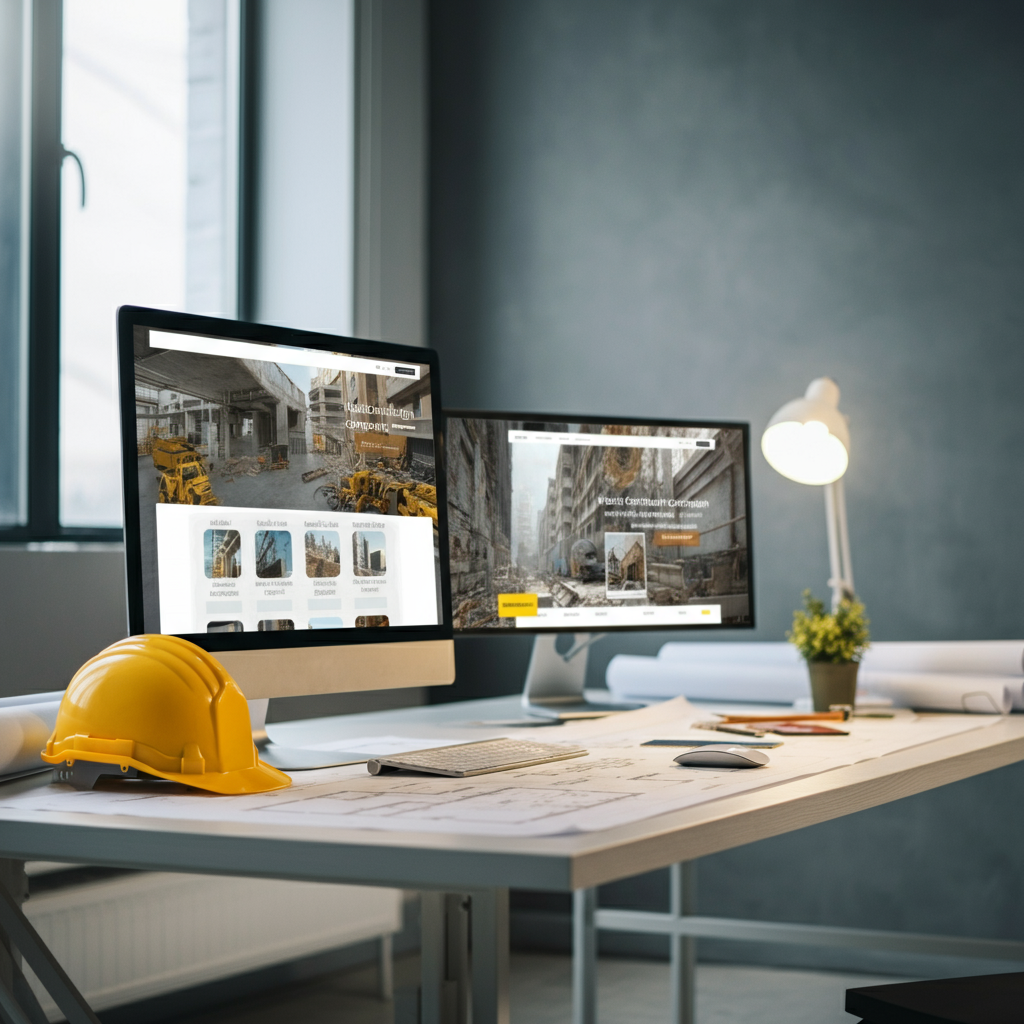
Website Design For Construction Companies is key for UK firms in 2026—boost leads, trust, and reputation. Discover must-have features now.
Why Website Design For Construction Companies Matters In 2026
The Digital Shift in the Construction Industry
Website design for construction companies is the cornerstone of digital transformation within the industry. As decision-makers increasingly rely on online research to vet potential contractors, your website becomes your firm's shopfront. First impressions are made in seconds, so a purpose-built online presence directly influences how clients perceive your professionalism, quality of work, and reliability. In 2026, standing out online is not simply about aesthetics—it's about capturing trust, providing vital information, and leading your audience seamlessly toward enquiry or contact.
Why do construction companies need professional websites?
Construction companies need professional websites to establish credibility and attract clients. A well-designed website showcases services, previous projects, and testimonials, making a positive impression. Consequently, a strong online presence enhances lead generation, helping businesses thrive in a competitive market.
What features should a construction company website include?
A construction company website should include a portfolio, contact forms, and client testimonials. These features help users navigate easily while providing essential information about services and past successes. Therefore, incorporating these elements can significantly enhance user experience and boost conversions.
Moreover, construction buyers, architects, local authorities, and even property developers expect transparency and instant access to your portfolio, accreditations, and testimonials. The ability to communicate credentials, project experience, and health & safety standards efficiently determines whether you make the shortlist for new business. As sustainability initiatives and innovative methods of construction become selling points, a well-designed site showcases your adaptability and future-readiness, setting your business apart.?
The Impact of Outdated Business Websites
Risks of Falling Behind in 2026
In the context of digital competition, failing to modernise your website can lead to significant setbacks. Outdated websites frequently have slow load times, poor mobile usability, and dated branding—all of which erode trust among potential clients. An old-fashioned site may suggest a lack of commitment to innovation or raise questions about operational standards.
Furthermore, search engines such as Google prioritise modern, user-friendly sites when ranking local or industry-specific searches. If your website lags behind, you risk losing visibility to newer, sharper competitors. Functionality gaps, such as missing project galleries, broken contact forms, or unresponsive layouts, can cost your firm valuable leads. For construction companies, this loss of digital ground often means missing out on both private and public sector projects.
By regularly reviewing and updating your website, you ensure ongoing engagement and show a proactive approach aligned with 2026 industry demands. For broader strategies on maintaining your digital assets, visit website design for construction companies.
How does web design help UK construction businesses?
Web design helps UK construction businesses by improving their online visibility and customer engagement. An aesthetically pleasing and functional website can communicate professionalism and reliability. Consequently, this leads to increased trust from potential clients and boosts lead generation efforts.
When should construction companies update their website design?
Construction companies should update their website design every few years or when significant changes occur in their services. Keeping the website current ensures it meets modern standards and trends. Thus, this continuous improvement can attract and retain more clients over time.
Website Design For Construction Companies: Key Features
What Makes a Construction Website Stand Out?
Modern website design for construction companies is underpinned by clarity, functionality, and authority. Essential features to include are a compelling homepage, clear calls-to-action (CTAs), easily navigable menus, and fast-loading pages. At the heart of effective construction web design are detailed service pages, project case studies, team credentials, and visual portfolios.
Additionally, integrating live chat, downloadable brochures, and secure enquiry forms streamlines the buyer journey. Trust signals—such as accreditations, memberships, and insurance coverage—should be displayed prominently. To reach local clients, it is vital to incorporate map integration and showcase relevant locality keywords throughout your content.
Accessibility compliance, high-contrast design for readability, and cross-browser compatibility all contribute to capturing a wider market share. Looking to learn more about website essentials specifically tailored for the UK construction sector? Discover further insights at improving digital skills in construction.
Which is the best website design for builders in 2026?
The best website design for builders in 2026 will be modern, user-friendly, and mobile-responsive. As digital trends evolve, focusing on functionality and aesthetics will play a crucial role. Therefore, a contemporary design will efficiently convert visitors into leads and enhance overall performance.
How can a construction website improve lead generation?
A construction website can improve lead generation by optimising content and using effective calls to action. By providing valuable information and encouraging contact, potential clients are more likely to engage. Consequently, a strategically designed site can significantly increase inquiries and sales.
Mobile-Friendly Construction Sites for Modern Clients
Optimising for User Experience and Accessibility
Mobile compatibility is paramount as more construction procurement processes happen on smartphones and tablets. In 2026, not having a mobile-responsive website means alienating busy site managers, quantity surveyors, and potential residential customers who expect quick, on-the-go access.
Implementing responsive design ensures seamless browsing regardless of device, reducing bounce rates and increasing conversions. Features such as click-to-call, quick-quote forms, and location-based service options facilitate effortless user journeys for time-pressed visitors. Accessible colour schemes, scalable fonts, and easy navigation benefit users of all ages and abilities.
For more detailed guidance on mobile best practises in web design, refer to impact of design on UK construction.
Lead Generation Websites: Turning Visits into Projects
Essential Conversion Elements for Construction Firms
Lead generation is the lifeblood of successful construction companies online. Effective website design for construction companies incorporates strategically placed CTAs, interactive forms, and persuasive copywriting to convert visitors into genuine prospects. Dedicated landing pages for sectors—residential, commercial, or industrial—improve message relevancy and boost conversion rates.
Integration with CRM systems, email newsletter signups, and social proof elements, such as client logos and reviews, further encourage enquiries. Thoughtful design, supported by analytics tracking, allows you to refine and optimise how leads flow through the site. If you are considering advanced automation tools to supercharge your digital sales funnel, explore your options at top 7 feature essentials.
Building Digital Trust and Reputation Online
How Website Design Influences Client Decisions
Reputation is everything in the construction sector. Professional website design directly enhances client confidence, helping your business stand out in a crowded marketplace. Elements like staff bios, third-party endorsements, and robust privacy policies exhibit transparency and reassure cautious clients.
Featuring client success stories, awards, and sustainability credentials builds credibility—but only if presented with clarity and style. In a market where procurement decisions rest on trust, a high-quality website reinforces your brand promise, leading to greater repeat business and referrals.
Showcasing Projects: The Power of Visual Portfolios
Inspiring Confidence in Potential Clients
A visually rich portfolio is vital for construction companies aiming to win contracts in 2026. High-resolution galleries, before-and-after images, and easily navigable project categories demonstrate your workmanship and expertise. Embedding video case studies provides added depth, allowing visitors to experience your projects from conception to completion.
Furthermore, detailed captions and context for each image drive engagement and educate your audience—crucial for establishing thought leadership in your niche. Many clients want evidence of completed work that aligns with their sector or project, making your portfolio both a marketing tool and a trust-builder.
SEO for Construction Industry Web Design
Getting Found by UK Clients in 2026
A stunning website is only effective if potential clients can find it. Incorporating robust SEO principles—such as optimised meta titles, in-depth service area pages, and targeted keywords—ensures visibility in local and regional search results. Structured data, fast site speed, and clear site architecture improve your ranking on platforms like Google.
Additionally, regular content creation, such as insightful blogs or industry news updates, positions your site as an authoritative resource. This, in turn, attracts quality backlinks and drives organic traffic. For tailored SEO tips for construction companies, consult leading regional digital marketing agencies or refer to industry-specific SEO manuals.
Integrating Modern Technology and Support
Future-Proofing Your Construction Website
2026 will see ongoing advances in digital technology within construction. Integration with project management tools, live chat assistants, and real-time quoting apps can differentiate your business and increase user satisfaction. Ongoing technical support and security updates ensure your site remains operational, safe, and aligned with changing user expectations.
Progressive web applications (PWAs), AI-driven chatbots, and cloud-based document sharing are also becoming standard expectations. Regular reviews of site performance, with updates based on analytics, guarantee that your website remains future-ready and compliant with evolving industry legislation.
Conclusion: The Competitive Edge in 2026
Ultimately, the adoption of modern website design for construction companies could be the deciding factor between stagnation and growth in 2026. A tailored approach ensures that your business exceeds expectations at every digital touchpoint—from attracting new clients to closing high-value contracts. Prioritising UX, mobile-first layouts, conversion-optimised features, and continuous improvement will place you ahead of less agile competitors. In a rapidly evolving landscape, your website can become your strongest asset.
Great guide on Why website design for construction companies matters in 2026 — Community Feedback
How do I pick the best web design agency for my business?
To pick the best agency for website design for construction companies, review their industry experience, assess portfolios for construction-specific sites, check client testimonials, and ensure they understand lead generation and trust-building. Ask about ongoing support, modern technology use, and understanding of your business needs for effective results.
What are the best options for small business websites?
For construction SMEs, the best website design options are tailored platforms that highlight projects, offer mobile optimisation, and have strong lead capture forms. Prioritise agencies that demonstrate construction web experience and provide easy content management, modern templates, and ongoing support.
In This Article
- Invest in website design for construction companies to distinguish your brand and win more projects.
- Modern, responsive sites build trust and attract a wider range of clients in 2026.
- Visual portfolios and accreditations are essential for winning high-value contracts.
- SEO integration ensures your construction company is easily found by UK clients.
- Ongoing updates and technology integration keep you competitive in a digital-first market.