Website Design for Construction Companies: Top 7 Feature Essentials
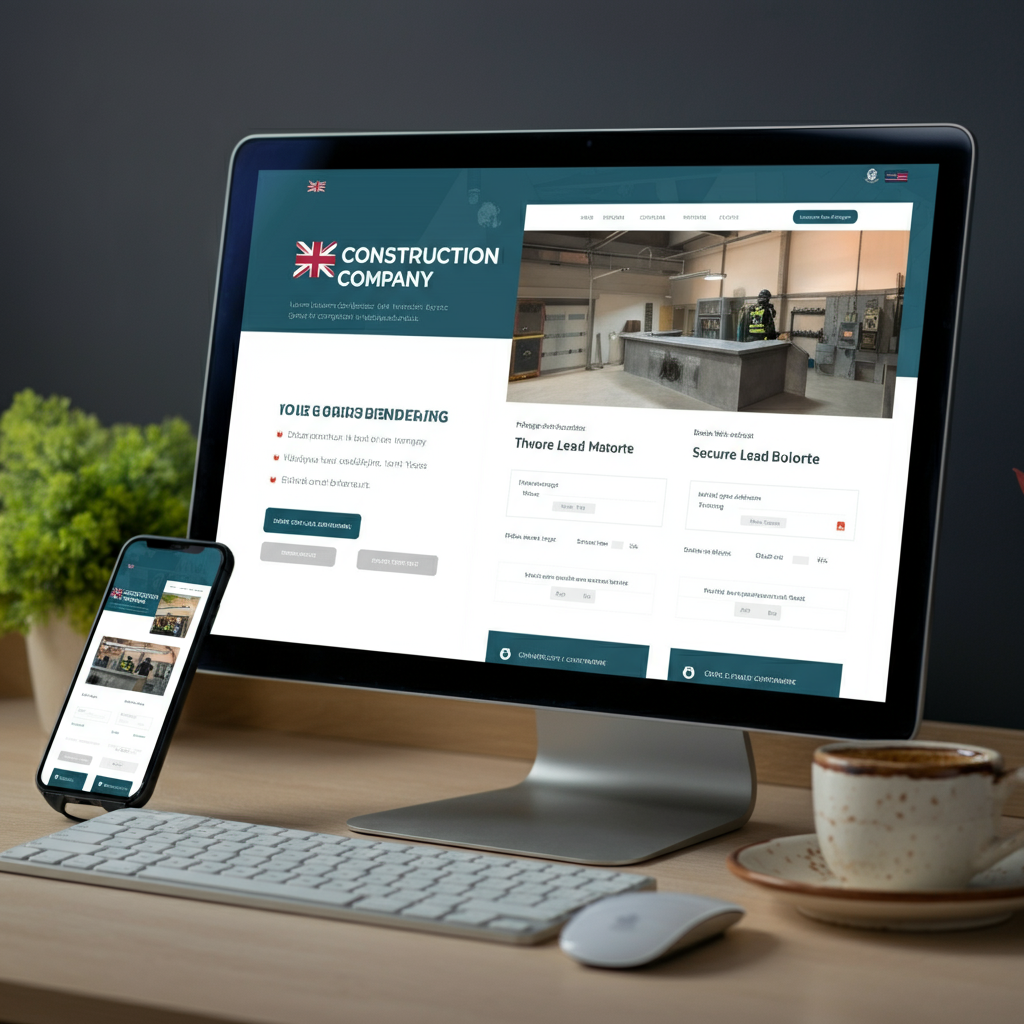
Website Design For Construction Companies: Discover 7 essential features to boost trust and leads. Build your ideal site—get expert tips and start today.
- Assess visual project showcases to highlight your best work.
- Implement secure lead capture forms for potential clients.
- Define clear service overviews to inform visitors of your offerings.
- Integrate client testimonials to build trust and credibility.
- Optimise mobile responsive layouts for better user experience.
- Ensure fast load speed to reduce bounce rates.
- Provide easy contact information to facilitate inquiries.
1. Visual Project Showcases: Building Trust With Portfolio Sections
Showcase Recent Projects to Demonstrate Expertise
Website design for construction companies should always begin with a visually compelling portfolio that highlights completed projects. Construction is a trust-based industry, and prospects want tangible evidence of your capabilities. High-quality images, project descriptions, and before-and-after galleries help visitors envision the quality of your work. For maximum credibility, ensure each showcase includes location details, project scale, and the specific services provided. Interactive elements, such as filterable portfolios or image sliders, further engage users and allow them to explore relevant case studies. Many construction firms have secured contracts directly through well-presented project sections, proving this feature’s commercial impact. Incorporating video walk-throughs or 360-degree project views can also make your work stand out. For best results, update your project showcases regularly to reflect fresh work and evolving expertise. website construction cost 2026 UK breakdown
What makes a great construction company website?
A great construction company website features professional design, user-friendly navigation, and essential information. This includes a clear overview of services, project showcases, and client testimonials. Consequently, such elements enhance user trust and engagement, leading to more qualified leads for the business.
How do construction firms capture more leads online?
Construction firms capture more leads online by implementing effective lead capture forms and offering valuable content. These strategies encourage potential clients to provide their contact information in exchange for insights or consultations. Therefore, optimising website design for construction companies can significantly increase lead generation.
2. Secure Lead Capture Forms: Turning Visitors Into Clients
Best Practices for Lead Generation on Construction Sites
A streamlined enquiry process is essential if you want to convert site visits into tangible leads. Modern construction company websites feature secure, well-designed lead capture forms on strategic pages. Clear calls-to-action and simple fields encourage more users to get in touch; asking only for essential details avoids visitor drop-off due to long forms. GDPR compliance and SSL encryption are critical for instilling confidence in those submitting their contact information. Furthermore, effective lead capture should incorporate automated email responses, letting potential clients know their enquiry was received. Use analytics to measure form performance and test call-to-action wording. For example, phrases like “Request a Free Quote” or “Book a Consultation” work exceptionally well in the construction industry. Cross-link this feature with service and contact pages to maximise engagement. digital adoption in British construction
Which website design suits UK contractors?
UK contractors benefit from a website design that combines functionality with visual appeal, including responsive layouts and quick load times. This design approach caters to the needs of clients looking for quick information access. Consequently, it improves user experience and helps attract potential leads.
What are the key features for builder websites?
Key features for builder websites include secure lead capture forms, mobile responsiveness, and visually appealing project showcases. These elements not only provide essential information but also create an engaging user experience. Furthermore, a well-designed website helps construction companies stand out from their competitors.
3. Service Overviews: Clearly Communicate Your Offerings
Highlight Core Construction Services for Easy Client Understanding
Construction companies often provide a diverse range of services — from residential builds, refurbishments, and commercial fit-outs to civil engineering. Your website’s service overview pages should articulate these capabilities with clarity and precision. Dedicated sections for each service area, enhanced by icons and concise descriptions, help potential clients quickly understand your expertise. Use supporting visuals, such as infographics or technical drawings, to reinforce your service promise. Well-structured content ensures users can find exactly what they need and makes your website more search-friendly. Moreover, linking to project case studies and testimonials within service descriptions builds a strong connection between your skills and your proven results. This strategic approach not only educates but also moves visitors further along the buying journey. website design for construction companies
Why is fast load speed important for construction websites?
Fast load speed is crucial for construction websites as it directly influences user satisfaction and retention. Visitors are likely to abandon slow-loading sites, which can significantly impact lead generation efforts. Therefore, optimising website design for construction companies for speed is essential for success.
When should construction companies update their website?
Construction companies should update their website whenever there are significant changes in services, projects, or branding. Regular updates keep the site relevant, reflecting the latest offerings and expertise. Thus, this practice not only attracts repeat visitors but also enhances SEO performance.
4. Client Testimonials: Building Credibility Online
Use Authentic Reviews to Earn Trust in the Construction Sector
Social proof is vital in the construction industry, where long project cycles and high-value contracts mean reputational risk is significant. Genuine client testimonials, displayed prominently across your website, reinforce your commitment to quality and customer satisfaction. Whenever possible, supplement written reviews with full names, company logos, and project references for maximum authenticity. Video testimonials can be particularly persuasive and can differentiate your firm from competitors. Consider including aggregates from third-party review sites or professional directories, which add further credibility. Rotating testimonial sections on your homepage or project pages keep content fresh and demonstrate ongoing client satisfaction. Building credibility in this manner directly impacts bid win rates and company reputation. design best practices for UK construction
5. Mobile Responsive Layouts: Ensuring Accessibility Anywhere
Why Mobile-First Design Matters for Construction Companies
With more construction stakeholders using mobiles and tablets for research and site management, mobile responsiveness is no longer optional. Your website must look sharp and function seamlessly on all device sizes — from smartphones to desktop computers. Responsive layouts adapt images, text, and menus automatically, ensuring the user experience remains intuitive regardless of screen size. Mobile-optimised websites also rank higher in Google search results, which can be a decisive factor for winning local business. It’s crucial to verify that key features, such as lead forms and project galleries, are touch-friendly. Google’s mobile-friendly testing tools can help you identify and correct usability issues. Additionally, a strong mobile experience shows you value user convenience — a trait clients associate with professionalism and service quality.
6. Fast Load Speed: Keeping Prospects Engaged
Optimise Performance for Better User Experience
Speed is a game-changer. Google research shows users abandon websites that take more than three seconds to load. For construction companies, this means optimising images, leveraging browser caching, and choosing fast web hosting. A slow website damages credibility and can directly reduce lead generation. Use tools like Google PageSpeed Insights to audit your website’s performance and implement recommended changes rapidly. Remember, every feature should enhance — not hinder — site speed. Keeping load times low strengthens your search ranking, improves conversion rates, and ensures prospective clients see your expertise without delay. Invest in technical performance as much as visual design for lasting business benefits.
7. Easy Contact Information: Make Getting in Touch Effortless
Clear Calls-to-Action and Multiple Contact Options
Clear, consistent contact information is a non-negotiable for every construction company website. Display phone numbers and email addresses on every page, ideally within the header or footer for visibility. Providing a location map, office hours, and even direct chat options can further reduce friction for contacting your team. Multiple contact options cater to varied preferences—some clients prefer a quick call, while others would rather send detailed specifications via email or a form. Well-designed contact sections with prominent calls-to-action boost inbound enquiries and signal reliability. Integrate contact details with Google Maps for easier navigation and credibility. Always keep your contact details up-to-date as part of regular site maintenance.
8. Overcoming Construction Website Challenges
Addressing Cost Concerns and Technical Barriers
Developing a high-quality construction website presents some unique hurdles, such as managing project costs, ongoing maintenance, and technical complexity. Many small and medium construction firms worry about the upfront costs of bespoke design. However, investing in the right features pays dividends in terms of lead volume and client quality. Choose platforms with straightforward content management and affordable support plans to mitigate ongoing expenses. For technical challenges, partnering with experienced web designers and leveraging no-code tools can significantly lower barriers. A detailed brief and ongoing collaboration with your web agency will keep your site secure, scalable, and aligned with business goals. Stay proactive about updates to ensure legal compliance and technical resilience.
9. Industry Best Practices for UK Construction Websites
Design Trends and Compliance Considerations
The best UK construction websites comply not only with GDPR, but also with local regulations related to advertising, accessibility, and online security. Modern trends include clean layouts, minimalistic navigation, and immersive visuals that elevate brand perception. Accessibility should never be overlooked—ensure your site meets WCAG standards so all users, including those with disabilities, can access vital information. Regularly review site analytics to measure what resonates with users and refine content and structure accordingly. Staying ahead of digital trends and regulatory developments will set your company apart and build long-term trust.
10. Getting Started: Choosing the Right Web Design Partner
Key Questions to Ask Before Hiring
Selecting the right design partner is pivotal to the ongoing success of your construction company’s website. Look for agencies with proven portfolios in the construction sector, testimonials from similar businesses, and clear project management frameworks. Discuss timelines, cost transparency, and processes for future updates before signing a contract. Make sure your chosen partner understands your unique requirements, from technical integrations to security standards. A collaborative and strategic relationship will ensure your website evolves alongside your company’s growth, maximising return on investment and client satisfaction.
“A future-proof construction website balances compelling project showcases, secure enquiry forms, and a seamless mobile experience—delivering credibility and commercial value in equal measure.”
Conclusion: Elevate Your Construction Company With the Right Features
Prioritising website design for construction companies transforms your digital platform into a growth engine. By implementing essentials like standout portfolios, secure forms, clear service overviews, and mobile responsiveness, you create a website that not only impresses prospects but also drives real business results. Invest in ongoing optimisation, compliance, and user experience to stay competitive in the UK construction sector. With expert planning and the right design partner, your website will be the cornerstone of your online reputation and client acquisition strategy.
Great guide on Website design for construction companies: top 7 feature essentials — Community Feedback
How do I pick the best web design agency for my business?
When choosing the best web design agency for your construction business, look for specialists in website design for construction companies. Ensure they understand your sector's needs, offer strong project portfolios, prioritise mobile-friendly designs, and provide transparent costing. Reliable agencies help build trust and secure more leads.
Difficulty understanding website design costs
Understanding website design costs for construction companies can be challenging due to various factors. The final price depends on custom features, content creation, security, and ongoing support. Request a detailed breakdown to compare quotes and ensure you invest in essential functionality for your business.
In This Article
- Showcase recent projects using engaging portfolios to build initial trust.
- Incorporate secure, well-placed lead capture forms for effective client conversion.
- Clearly present core services with supporting visuals and strategic links.
- Use authentic testimonials and reviews to enhance credibility and brand authority.
- Implement mobile responsive layouts for seamless browsing across devices.
- Optimise site speed and performance to reduce bounce rates and boost engagement.
- Provide easily accessible, multi-channel contact information on every page.
- Stay aware of industry best practices for design, compliance, and accessibility.
- Partner with web designers who understand construction sector needs.
- Continuously review and update your website for lasting competitiveness.