Website Is It Safe: How UK Businesses Avoid Gdpr and Ssl Fines
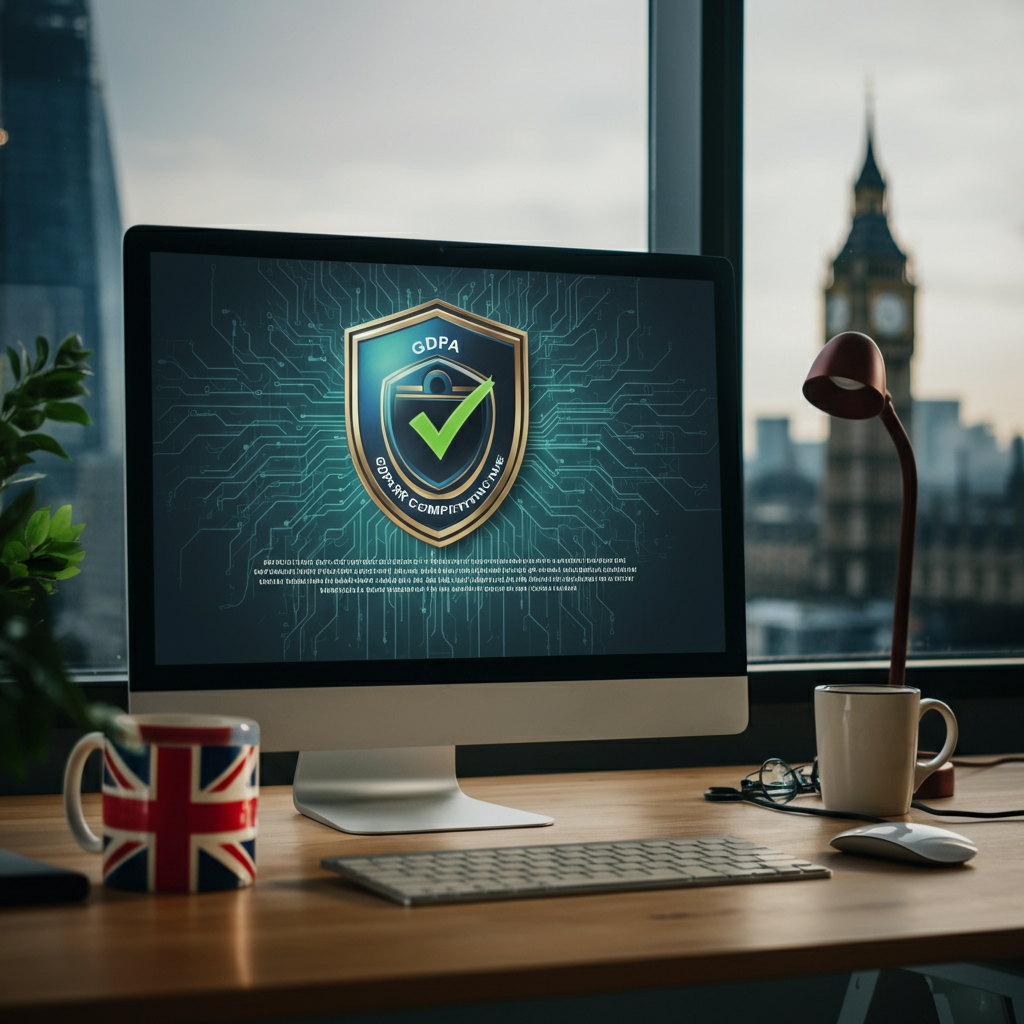
Website Is It Safe helps UK businesses check website security, GDPR, and SSL compliance. Protect your site and avoid fines—learn how to stay compliant.
What Does Website Is It Safe Mean for UK Businesses?
Understanding Security and Legal Compliance
Website is it safe encapsulates the critical need for UK organisations to guarantee their online presence meets today’s data protection, legal, and security standards. Ensuring safety isn’t just about avoiding fines; it safeguards brand reputation and customer trust. For British businesses, securing a website now requires robust technical defences such as SSL certification and, crucially, compliance with the General Data Protection Regulation (GDPR). Failure to meet standards can lead to regulatory scrutiny and significant penalties under UK law. Moreover, safe websites inject confidence into both customers and investors, while also keeping operations running smoothly without costly disruptions. If you’re a business owner, understanding what makes a website “safe” is no longer optional—it’s a competitive and legal necessity.
How do I know if my website is secure in the UK?
To determine if your website is secure in the UK, check for an active SSL certificate and compliance with GDPR data protection laws. This ensures that customer data is encrypted and safe from breaches. Regular security audits can further enhance trust and prevent potential fines.
What is needed for website GDPR compliance?
For website GDPR compliance, you must provide clear privacy policies, obtain explicit consent from users, and implement data protection measures. This legal framework ensures that personal data is handled respectfully and securely. Complying with GDPR protects your business from hefty fines and builds user trust.
Website Is It Safe: The Role of GDPR
GDPR Compliance Essentials
The GDPR, enforced across the UK and European Union, mandates that websites conducting business in the UK protect personal user data stringently. GDPR stipulates that all data collected by your website—from email addresses to purchase records—must be handled under strict guidelines. Failing to obtain valid consent, process data lawfully, or provide clear privacy notices puts your business at risk of regulatory investigation and fines that can reach into the millions. For example, companies must ensure users can access, edit, or delete their information easily and transparently. Ensuring robust cookie management and regular GDPR audits are also essential to compliance. Employing GDPR-compliant forms, securing databases, and listing clear privacy policies help prove your commitment to data protection authorities and reduce your exposure. For more on this, refer to UK data protection laws guidance.
Is my website safe for customer data?
To ensure your website is safe for customer data, verify that it uses SSL encryption and has implemented GDPR compliance strategies. Regular vulnerability assessments will help identify security gaps. Consequently, this fosters customer trust and loyalty, essential for your business success.
How to avoid website fines in the UK?
To avoid website fines in the UK, regularly audit your website for GDPR compliance and ensure secure data handling practices. Staying updated with legal regulations is critical to prevent violations. Consequently, maintaining compliance not only aids in avoiding fines but also enhances your reputation.
Website Is It Safe: Importance of SSL Certificates
How SSL Protects Your Business
Having a Secure Sockets Layer (SSL) certificate is a keystone of website safety in the UK. This technology encrypts data transmitted between your site and users, effectively protecting credit card details, passwords, and private communications from cybercriminals. In the eyes of browsers and search engines, a website without SSL is flagged as “Not Secure”—instantly eroding visitor confidence. In addition to data encryption, SSL helps ensure business compliance with PCI-DSS requirements for payment processing and is a documented expectation under GDPR’s stipulation for “appropriate security of personal data.” Today, most professional website hosting platforms offer SSL as standard, but it is your responsibility to verify its correct implementation. Never ignore browser security warnings suggesting absent or expired SSL certificates. Find step-by-step SSL verification guidance at web page maintenance 7 key tasks.
Which security measures should I implement on my website?
Implementing measures such as strong SSL encryption, regular updates, and firewall protection is crucial for website security. Additionally, conducting frequent security audits will help identify vulnerabilities. Therefore, these practices ensure your website is secure, protecting customer data and your business reputation.
When should I conduct a security audit on my website?
You should conduct a security audit on your website at least annually or whenever you implement major updates or changes. Regular audits help identify vulnerabilities and ensure compliance with GDPR and security standards. Therefore, staying proactive in security can prevent serious data breaches.
Website Is It Safe: Common Website Legal Risks
Identifying and Addressing Risks
Many UK businesses mistakenly assume their web designers cover all legal angles. In reality, common website risks include lack of visible privacy or cookie policies, usage of insecure contact forms, outdated plugins prone to vulnerabilities, and improper copyright practices. Each of these shortcomings can result in legal action or data breaches if left unchecked. Furthermore, websites using unlicensed images or inadequate accessibility features may face claims under UK copyright and equality legislation. Owners should frequently review their sites with a comprehensive legal and security checklist, ensuring mobile compatibility, accessibility, legitimate data processing practices, and up-to-date legal notices. As a practical resource, see NCSC cybersecurity tips for businesses for a detailed legal risk checklist tailored to British businesses.
Website Is It Safe: Practical Security Checks
Tools and Methods for Site Audits
Conducting periodic security and compliance checks is vital for maintaining a “safe” website. Several user-friendly and expert-grade tools can scan for key vulnerabilities. For SSL, online services like Qualys SSL Labs can instantly report on your certificate’s status. Plug-ins for content management systems such as WordPress—like Wordfence or iThemes Security—provide automated malware scanning and regular vulnerability checks. Meanwhile, browser-based GDPR checkers help evaluate the presence and effectiveness of cookie notices and consent banners. For code integrity and privacy issues, manual audits remain invaluable. Always combine automated tools with human review to cover both technical and legal blind spots. To learn more about building a regular security audit schedule, visit regulatory compliance gdpr fines saas.
Website Is It Safe: Avoiding Fines and Penalties
Preventing Costly Regulatory Actions
The cost of failing to maintain a safe website can extend far beyond financial penalties. GDPR fines can reach up to £17.5 million or 4% of annual turnover, whichever is higher. Furthermore, the Information Commissioner’s Office (ICO) has expanded its regulatory action, targeting businesses with repeated or egregious safety lapses. Avoiding these penalties depends on proactive measures—deploying SSL, keeping privacy notices updated, performing regular data protection impact assessments, and having an incident response plan. Training teams on GDPR and cybersecurity, as well as working with specialist agencies if needed, ensures your business stays on the right side of the law. A focus on prevention is invariably less costly and less reputationally damaging than dealing with breaches or investigations.
Website Is It Safe: Alternatives to Popular Site Builders
Choosing Platforms for Better Compliance
Some popular do-it-yourself website builders used in the UK may fall short of offering robust security or easy GDPR compliance options. While platforms like Wix or Squarespace provide basic SSL and cookie banners, they may not always support the customisation or advanced compliance features needed by UK businesses dealing with sensitive data. Alternative platforms such as WordPress (with GDPR and security plugins), Webflow, or UK-hosted content management systems may offer stronger support for privacy and security needs. Always review a platform’s credentials, including data residency, backup protocols, and their ability to meet UK-specific legal standards before making a selection.
Website Is It Safe: Regular Maintenance Tasks
Keeping Your Website Secure and Updated
Maintaining safety on your website isn’t a one-off task. Routine technical maintenance is the bedrock of ongoing website security. Responsibilities include updating your content management system, plugins, and themes, as well as regularly changing administrative passwords. It is also crucial to monitor for software vulnerabilities, conduct regular backups, and promptly deactivate unused features. Establishing a quarterly—or ideally, monthly—site maintenance routine ensures issues are identified before they escalate into costly problems. This diligence is a clear demonstration of commitment to data protection which is highly regarded by regulators.
Website Is It Safe: Community Best Practices
Insights from UK Business Owners
Seasoned British business owners advocate a multi-layered security approach embedded in staff training, technical defences, and transparent communication with users. Regularly reviewing ICO updates, attending industry webinars, and networking with similar-sized businesses helps spot new compliance requirements quickly. Furthermore, many recommend involving a data protection officer or an external consultant at least annually for an impartial assessment. Transparent privacy communications and visible signs of security foster customer loyalty and differentiate a brand in competitive markets. These proven habits, shared within the British business community, constitute best practice for any organisation serious about keeping its website safe and compliant.
Conclusion: Website Is It Safe for Your Business?
Determining if your website is truly “safe” involves understanding and applying both legal and technical requirements relevant to UK businesses. Prioritise clear GDPR policies, ensure SSL configuration, choose reliable hosting platforms, and maintain an ongoing audit and update cycle. These steps keep your business protected from fines, data breaches, and reputational loss. With a proactive mindset and regular review, every UK business can confidently answer, “Website is it safe?” in the affirmative—maximising trust and regulatory peace of mind for years to come.
Great guide on Website is it safe: how UK businesses avoid GDPR and SSL fines — Community Feedback
How do I ensure my business website is secure and compliant?
To ensure your business website is safe and compliant, regularly audit your site for GDPR and SSL adherence. Check secure connections and manage customer data lawfully. Use the primary keyword website is it safe in online tools to analyse your site’s security vulnerabilities.
What are my alternatives to using Wix or Squarespace?
Alternatives to Wix or Squarespace for UK businesses include WordPress, custom-built platforms, and local web agencies. These options give you greater control over website security and GDPR compliance, helping ensure your website is it safe for customer data.
In This Article
- Always verify SSL certificates are current and correctly installed on your site.
- Implement GDPR principles with robust cookie management and transparent privacy notices.
- Use leading security plugins and third-party scanning tools for ongoing vulnerability detection.
- Choose website platforms offering advanced compliance and security support for the UK market.
- Schedule regular site maintenance and compliance audits—never let software or policies go stale.
- Stay connected with trusted peers and expert communities for rapid updates on new threats or regulation changes.