Mobile App Dev: How UK Hospitality Businesses Risk Falling Behind
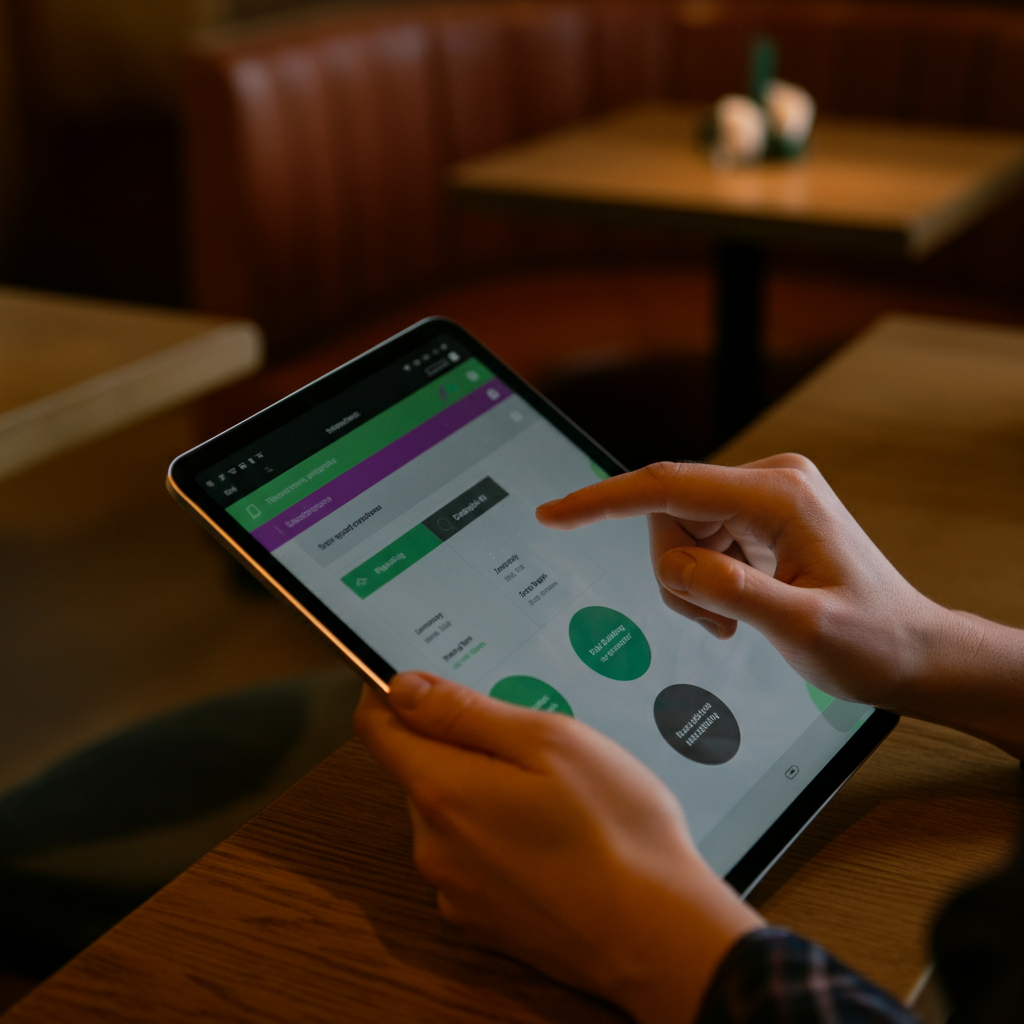
Mobile App Dev is crucial for UK hospitality. Avoid falling behind—adopt app technology to boost engagement, growth, and customer retention. Act now!
Mobile app dev is essential for UK hospitality businesses aiming to enhance competitiveness. Neglecting this technology risks customer engagement and operational efficiency. By adopting tailored mobile apps, businesses can streamline processes, boost guest loyalty, and attract modern customers, ensuring they meet evolving expectations.
Why Mobile App Dev Matters for UK Hospitality
The Digital Transformation Imperative
Mobile app dev has rapidly become a defining factor in the UK hospitality landscape. As guests expect seamless mobile experiences, from booking tables to ordering room service, forward-thinking brands are adopting apps to satisfy and impress customers. Today’s digital-first society demands efficiency, personalisation, and immediacy. Therefore, smartphone application solutions equip hospitality organisations with tools to automate bookings, facilitate digital payments, and gather real-time feedback. Consequently, apps streamline operations, enhance reputation, and drive repeat business. Urgency of app development for growth Not only do integrated mobile platforms improve the customer journey, but they also unlock new revenue streams for hotels, restaurants, and leisure operators. Embracing this technology is no longer optional for those wanting to maintain market share and relevance.
What risks do UK hospitality businesses face without a mobile app?
UK hospitality businesses without a mobile app risk losing competitiveness and customer engagement. Customers increasingly expect seamless digital interactions, and without an app, businesses might fall short of meeting these expectations. Consequently, adapting mobile app dev can significantly enhance operational efficiency and customer retention.
How can apps boost customer engagement in hospitality?
Apps can significantly boost customer engagement in hospitality by providing personalised experiences. These apps allow businesses to tailor services based on user preferences, fostering loyalty through unique offerings. Therefore, investing in mobile app dev enables venues to connect meaningfully with customers and enhance satisfaction.
" style="position: absolute; top: 0; left: 0; width: 100%; height: 100%; border: 0;" allowfullscreen loading="lazy" title="Video related to Mobile App Dev: How UK Hospitality Businesses Risk Falling Behind">Understanding the Risks of Falling Behind
Competitiveness and Customer Expectations
Failing to invest in app technology presents clear risks for hospitality businesses. While competitors leverage digital tools for customer engagement, those resistant to change lose ground. Guests increasingly compare service providers based on digital convenience and user experience, particularly in urban centres. Furthermore, without robust application strategies, brands quickly appear dated and out of touch. This perception can erode trust and discourage bookings. Industry reports indicate that mobile-driven interactions account for over half of UK hospitality transactions, so neglecting digital trends isn’t a mere oversight but a strategic disadvantage. Overview of mobile app development trends Consider how innovations like in-app menus, contactless check-outs, or loyalty programmes can differentiate your offering. Businesses lagging behind with outdated processes may face negative reviews, diminishing profits, and falling customer retention rates.
Is mobile app dev essential for small UK venues?
Mobile app dev is essential for small UK venues aiming to compete effectively. As consumer behaviours evolve towards digital solutions, not investing in an app may result in losing customers to tech-savvy competitors. Ultimately, a tailored app can streamline operations and enhance guest experience.
What benefits do hospitality apps offer customers?
Hospitality apps offer customers convenience, tailored services, and instant access to information. These apps streamline reservations, provide virtual tours, and facilitate seamless payment options. Consequently, businesses that embrace mobile app dev can enhance customer loyalty and attract a broader audience.
Key Benefits of Mobile App Dev for Hospitality
Boosting Engagement & Retention
Implementing a robust digital application plan provides a host of benefits tailored to hospitality. Firstly, apps foster guest loyalty by offering personalised incentives and gamified rewards. Mobile bookings, real-time notifications, and tailored recommendations drive direct engagement, while features such as mobile key access or digital queueing streamline convenience. Additionally, customer data gathered through app interactions enables smarter decision making and targeted marketing campaigns. With improved feedback collection, businesses rapidly address issues and adapt to evolving guest needs. Avoiding common mobile app development pitfalls As a result, deploying hospitality-focused apps creates a competitive edge—keeping your offering top of mind in a market where customer choices are plentiful. This all feeds into greater customer lifetime value and sustainable growth.
Why should UK hospitality businesses consider mobile app development?
UK hospitality businesses should consider mobile app development to stay relevant in a competitive market. An effective app not only attracts modern customers but also optimises service delivery and operational processes. Ultimately, this development can lead to increased revenue and customer satisfaction.
When is the right time to invest in a mobile app for hospitality?
The right time to invest in a mobile app for hospitality is when customer demand for digital services grows. Monitoring trends in consumer behaviour can signal the need for an app to capture market share. Therefore, timely investment in mobile app dev can secure a competitive advantage.
How Neglecting App Technology Impacts Growth
Revenue, Reviews, and Repeat Business
The absence of a tailored smartphone solution can have profound impacts on business outcomes. Reduced visibility in app marketplaces and diminished touchpoints with consumers slow down organic growth. Without integrated loyalty programmes or push notifications, re-engaging existing clients becomes challenging, reducing opportunities for repeat visits. Moreover, manual or fragmented guest operations lead to operational inefficiencies, longer queues, and lower satisfaction. These issues often result in negative online reviews and a dented brand reputation. The hospitality sector is particularly sensitive to word-of-mouth and digital sentiment, making every lost booking or negative experience matter. Latest Android developer best practices In the long term, overlooking digital application strategies could set in motion a cycle of declining market share and revenue stagnation.
Signs Your Hospitality Business Needs a Mobile App
Customer Feedback and Market Trends
There are straightforward indicators that signal the time for a bespoke application has arrived. If your business receives regular feedback about slow service, inconvenient booking processes, or lack of personalisation, these are clear red flags. Additionally, when competitors launch their own apps and begin attracting your target market, it’s time to act. Increasing demand for contactless service, mobile payments, and digital loyalty points reflects wider trends that should influence your strategy. Market research in the UK consistently shows younger consumers prefer brands with advanced digital experiences. Timely action on hospitality app solutions Waiting until customer dissatisfaction peaks is never wise; instead, hospitality leaders must proactively harness mobile solutions to retain service excellence and competitive relevance.
Choosing the Right Mobile App Dev Approach
Native vs. Cross-Platform Solutions
Selecting the appropriate mobile app dev approach requires careful evaluation of your brand’s goals and resources. Native app development delivers optimal performance, reliability, and seamless integration with device features—making it suitable for premium hospitality experiences. Alternatively, cross-platform development is faster and more cost-effective, allowing you to reach both Android and iOS users via a single codebase. If rapid app deployment or budget is a concern, cross-platform tools like Flutter or React Native can be highly effective. However, native apps often result in superior user satisfaction and long-term scalability. Consult with a professional app development partner to determine which model best fits your operational context and customer expectations. Risks for UK businesses not adapting apps Remember, the chosen path should not only fit your immediate requirements but also provide flexibility for future feature expansion.
Common Pitfalls in Hospitality App Development
How to Avoid Costly Mistakes
Even well-intentioned projects can falter due to common missteps. Rushed timelines, vague requirements, and inadequate UX research frequently lead to poor adoption rates. Another pitfall is launching an app without cohesive brand alignment, which can cause confusion and dilute trust. Hospitality businesses must also prioritise interoperability with existing POS systems and CRMs to deliver a unified experience across all customer touchpoints. Furthermore, data security and compliance are critical within the UK market—any breach or mismanagement can tarnish reputation. It’s essential to involve stakeholders early, invest in proper testing, and seek user feedback before launching. Avoiding these pitfalls ensures your investment in digital app creation pays dividends, not only in technical terms but in guest satisfaction and organisational growth.
Case Studies: UK Hospitality Success with Apps
Real-World Examples
Across the UK, several hospitality brands stand out for their successful app-based transformations. For example, leading hotel chains have digitised check-in, created mobile concierge services, and integrated loyalty tracking. Boutique restaurants adopted apps to streamline table booking and enhance off-premises ordering with click-and-collect. As a result, these businesses saw significant reductions in no-shows, increases in positive reviews, and consistently higher revenue per guest. Even smaller venues have begun leveraging no-code app platforms to quickly respond to market shifts and regulatory changes during the pandemic. These case studies highlight how well-executed application launches not only mitigate risks but also drive measurable ROI within the hospitality sector.
Action Steps for Timely App Adoption
Planning, Budgeting, and Execution
To initiate a successful bespoke app project, hospitality businesses should start with a comprehensive needs assessment—analysing current customer journeys, digital pain points, and desired features. Establish a pragmatic budget and timeline, accounting for design, development, testing, and marketing. Partner with reputable developers who understand both technology requirements and sector-specific nuances. Regularly review project progress and pivot as necessary, ensuring the final product genuinely aligns with your brand’s ethos and customer expectations. Market your new app launch through all available channels, including email, social media, and in-property promotions. With planning and commitment, modernising your operations can be achieved within realistic timeframes and without business disruption.
Future Trends in Mobile App Dev for Hospitality
AI, Personalisation, and Guest Experience
The next wave of mobile app dev introduces advanced AI-powered chatbots, hyper-personalised offers, and seamless integration with IoT-driven environments. In the UK, we see a rise in apps that predict guest preferences, enable smart room controls, and facilitate instant feedback. Voice commands and AR-based local guides will further transform how guests interact with hospitality brands. Sustainability will also feature strongly—with apps helping guests reduce waste, access digital keys, or unlock green incentives. Savvy operators who track emerging trends and regularly update their apps will remain at the forefront, ensuring they never risk falling behind in a competitive market.
“Adopting mobile app dev isn’t just a technical upgrade—it’s an essential step in future-proofing UK hospitality. Brands who act decisively now secure tomorrow’s loyalty.”
Conclusion: Stay Ahead with Mobile App Dev
For hospitality leaders, mobile app dev represents more than technology—it’s the backbone of modern service. Timely investment in expert app development will future-proof operations, strengthen client relationships, and open up powerful revenue channels. By embracing mobile innovation now, UK hospitality businesses can confidently secure their edge in an increasingly digital world.
Great guide on Mobile app dev: how UK hospitality businesses risk falling behind — Community Feedback
How do I choose a mobile application platform?
To choose a mobile application platform for your business, first assess your audience’s device preferences and business needs. With mobile app dev, consider iOS and Android market share, development resources, and scalability. Weigh cross-platform frameworks for broader reach and long-term value for UK hospitality businesses.
What does website app development cost?
Website and mobile app dev costs in the UK vary widely, typically starting from a few thousand to tens of thousands of pounds. Factors include project complexity, platform choice, custom features, and required integrations. A clear scope ensures investment matches business goals and future customer engagement.
In This Article
- Mobile app dev is essential for meeting modern guest expectations.
- Falling behind in digital transformation directly impacts revenue and brand reputation.
- Apps offer unique opportunities for personalisation, loyalty building, and operational efficiency.
- A clear strategy and expert support ensure successful mobile app outcomes.
- Adopt now to benefit from ongoing future trends—including AI and sustainability features.